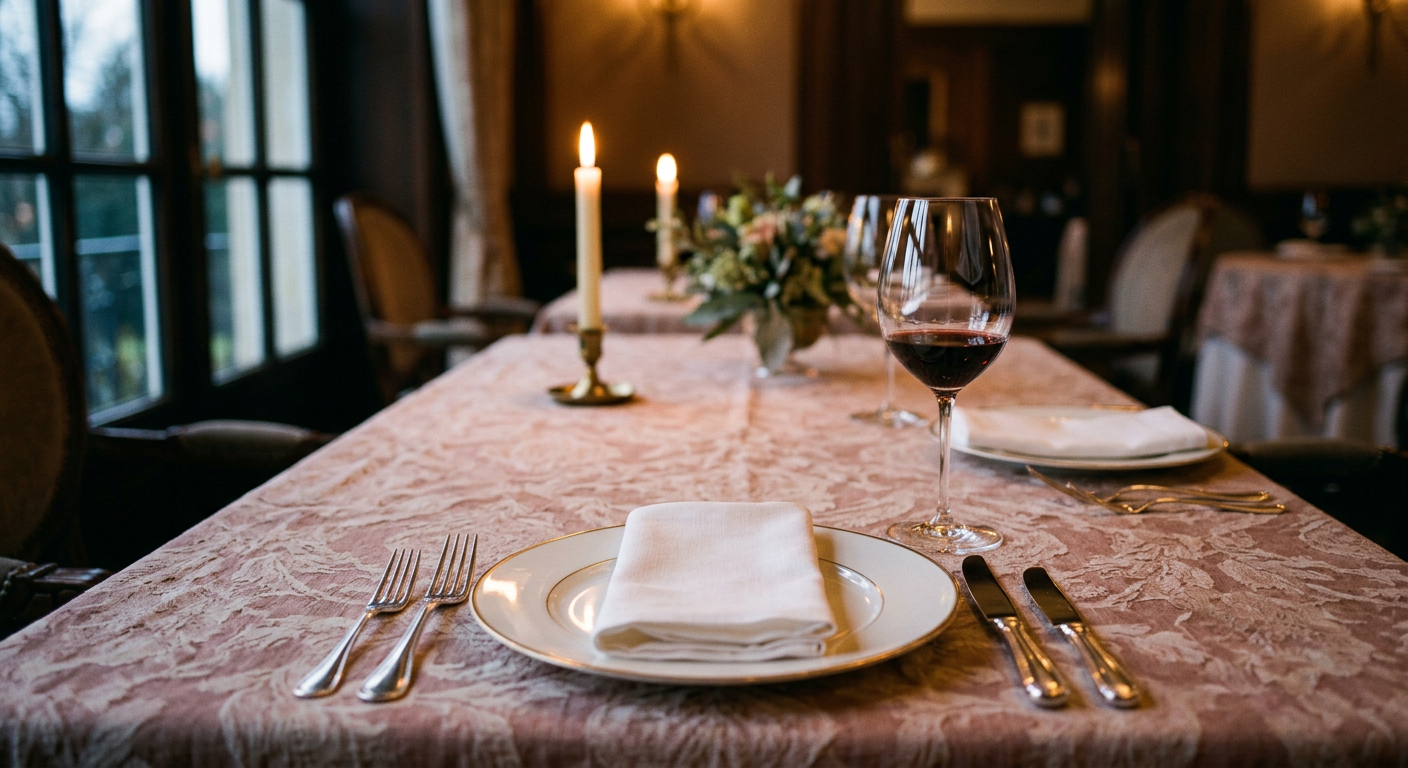
 Maison Manners
The French art of the table
Elegance can be learned.Ease can be felt.
The right gestures, and the reasons behind them. Enjoy the dinner instead of questioning your every move.
Free · Ten questions · Email required to see your Score
Course taught in French
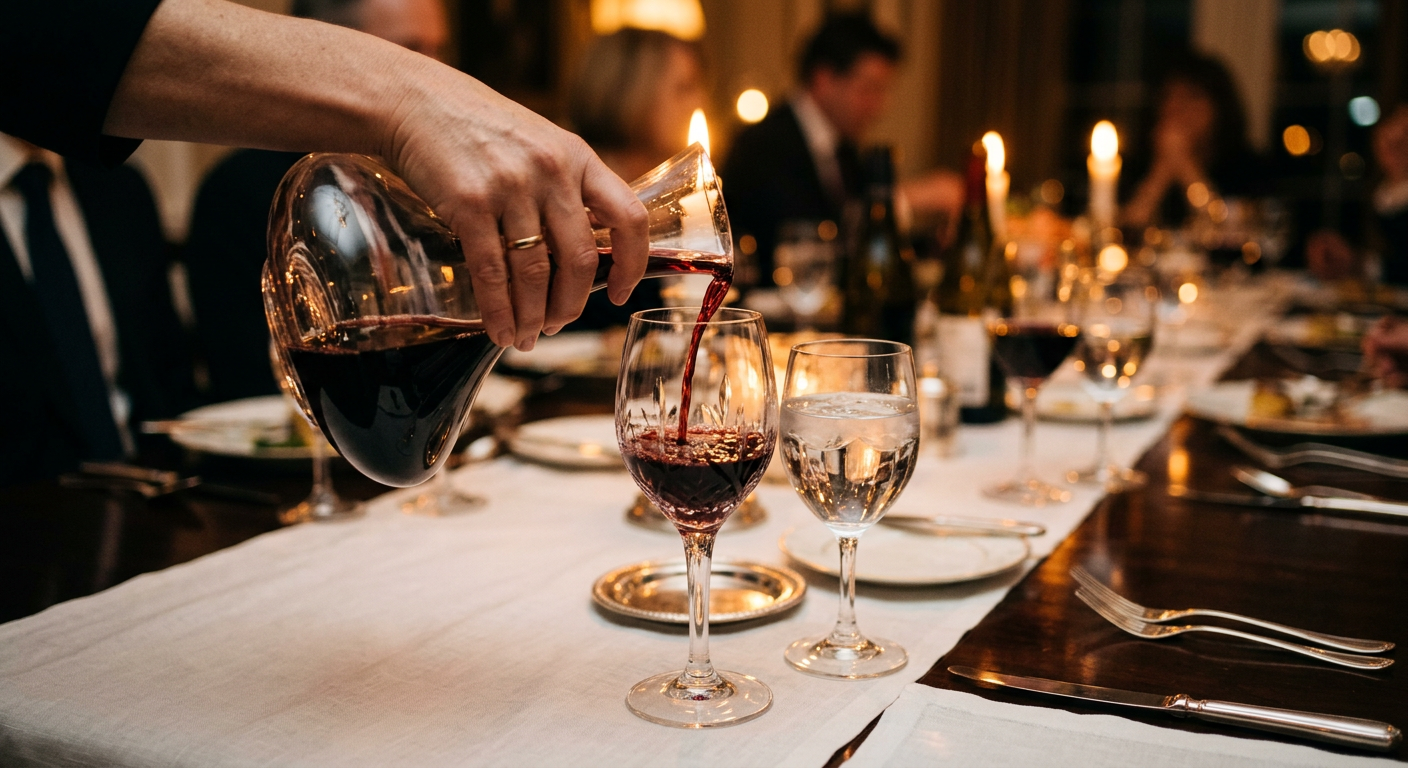
01 · A living tradition
The customs of yesterday.Your confidence, today.
A client dinner. A Michelin-starred table. Meeting your partner’s family. You want to be present, not preoccupied with your fork.
Maison Manners teaches French dining customs through illustrated lessons, explanations and situations to work through.
It is not about impressing people. It is about putting everyone at ease, yourself included.
02 · Learn, understand, practise
More than rules.Gestures that stay with you.
Understand the gesture
Written lessons, illustrations and historical anecdotes explain the reasons behind the customs.
Check what you know
Five questions per Chapter. An explanation after each answer, with as many attempts as you need.
Prepare for the whole dinner
Eight written dinner sequences, followed by a 20-question final Quiz, bring your learning together.
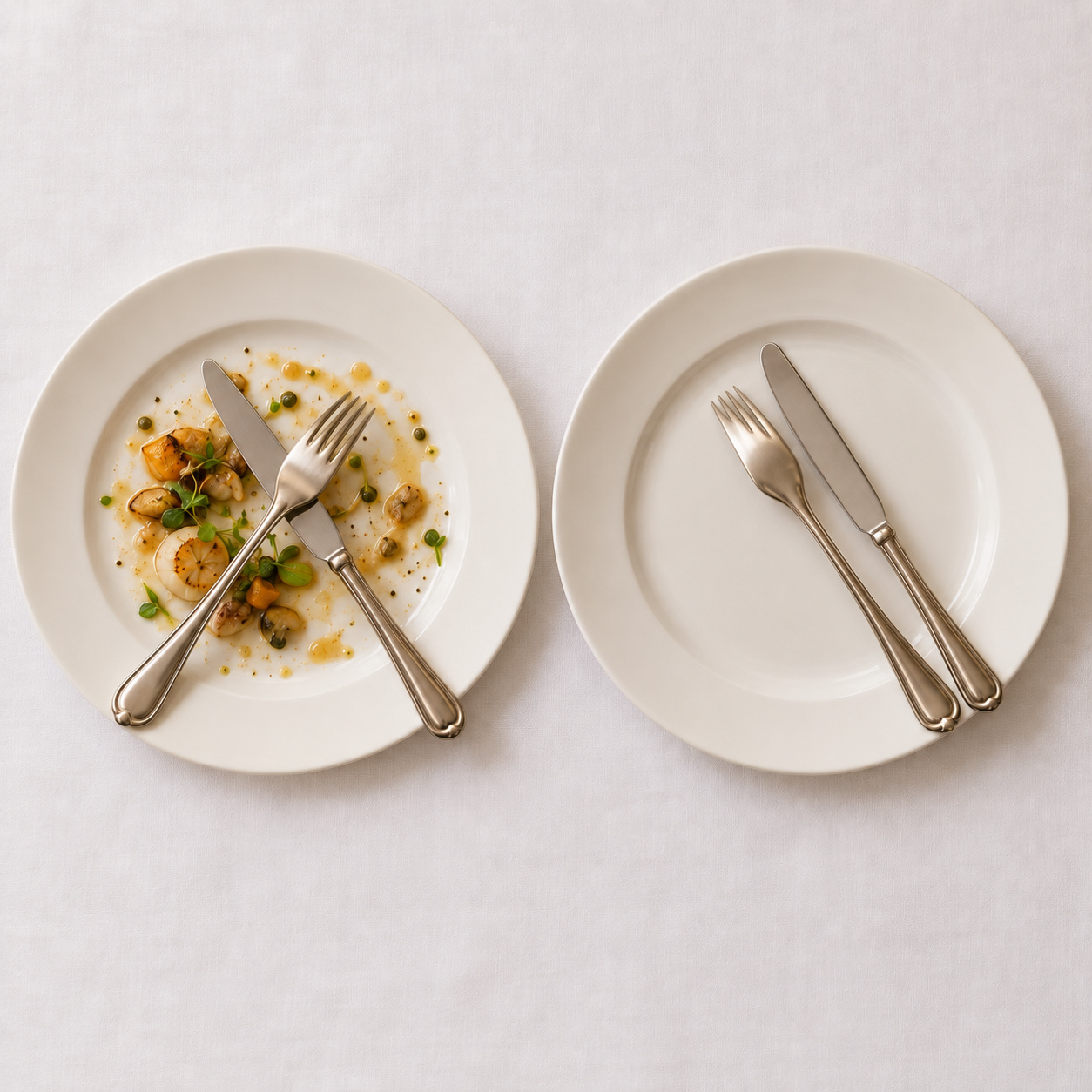
Chapter 4: Cutlery. Illustration from the French-language Course; rule translated here.
A real excerpt from the Course
Your cutlery speaks for you.
Crossed on your plate: you are pausing. Parallel, handles towards you: you have finished.
Holding a fork and knifeTry a few gestures
What would you do?
A three-card demonstration, no signup. The Course Quizzes use questions with three answer options.
Take the full Table TestFree · Ten questions · Email required to see your Score
At a formal dinner, your elbows may rest on the table between courses.
Swipe the card: right for true, left for false.
Learner experiences
More at ease at the table
They took the Course in French. Here is what they found useful.
Testimonial 1/4
Testimonials published with permission. Translated from French.
See what the Course includes and its price
Maison Manners is built and run by AI agents on NanoCorp.
03 · The curriculum
One whole meal.One chapter at a time.
From your arrival to the final conversation, each chapter prepares a moment of the dinner. All chapters are accessible from the start.
About ten to fifteen minutes per chapter. Total duration is an estimate, including the final module.
01The fundamentals of elegance at table
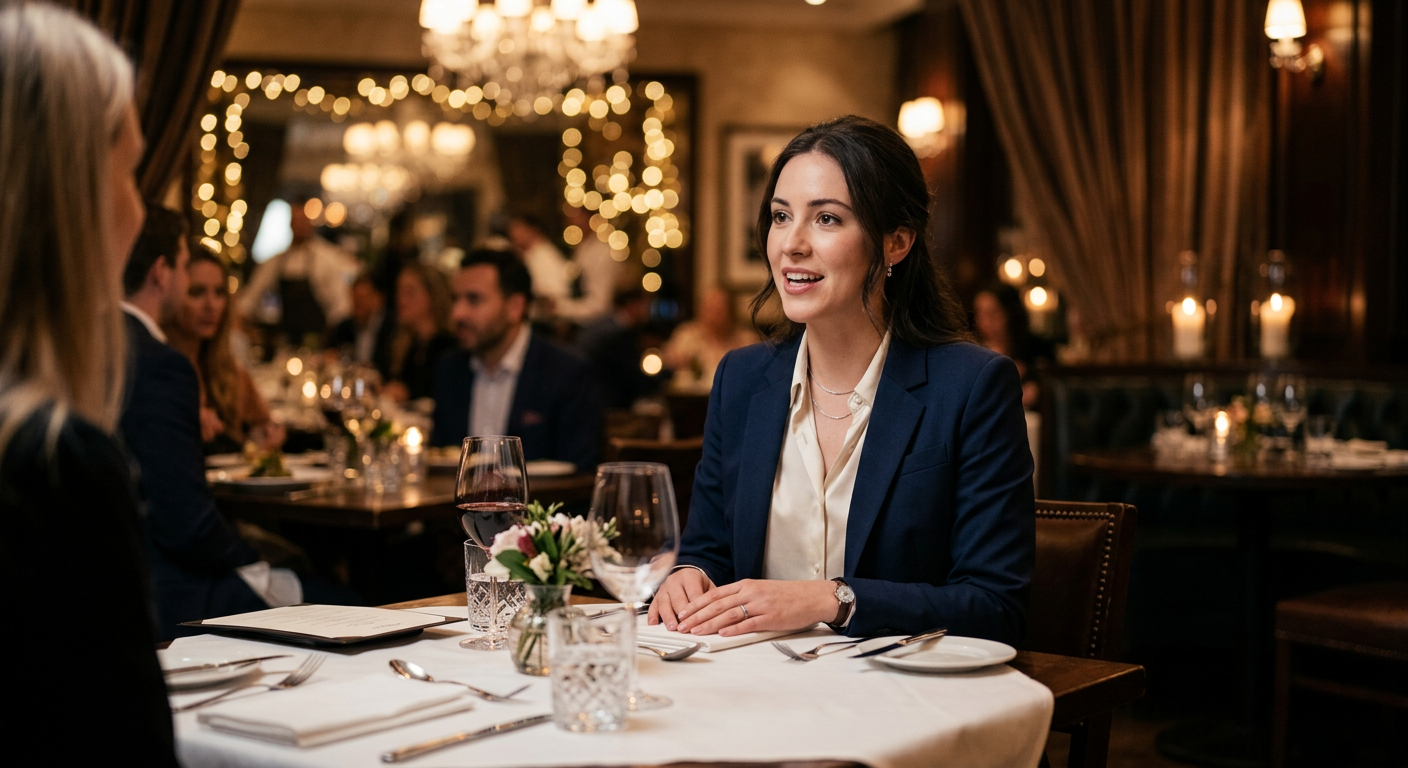
Elegance at table means being discreet and at ease, never rigid. The great traditions, from the continental style to the American one, and the posture that makes every gesture look calm.
02Arriving and taking your seat

The welcome, the cloakroom, and who walks in first. Where each guest sits, when to sit down, and why the phone, the bag and the keys never touch the table.
03Reading a place setting
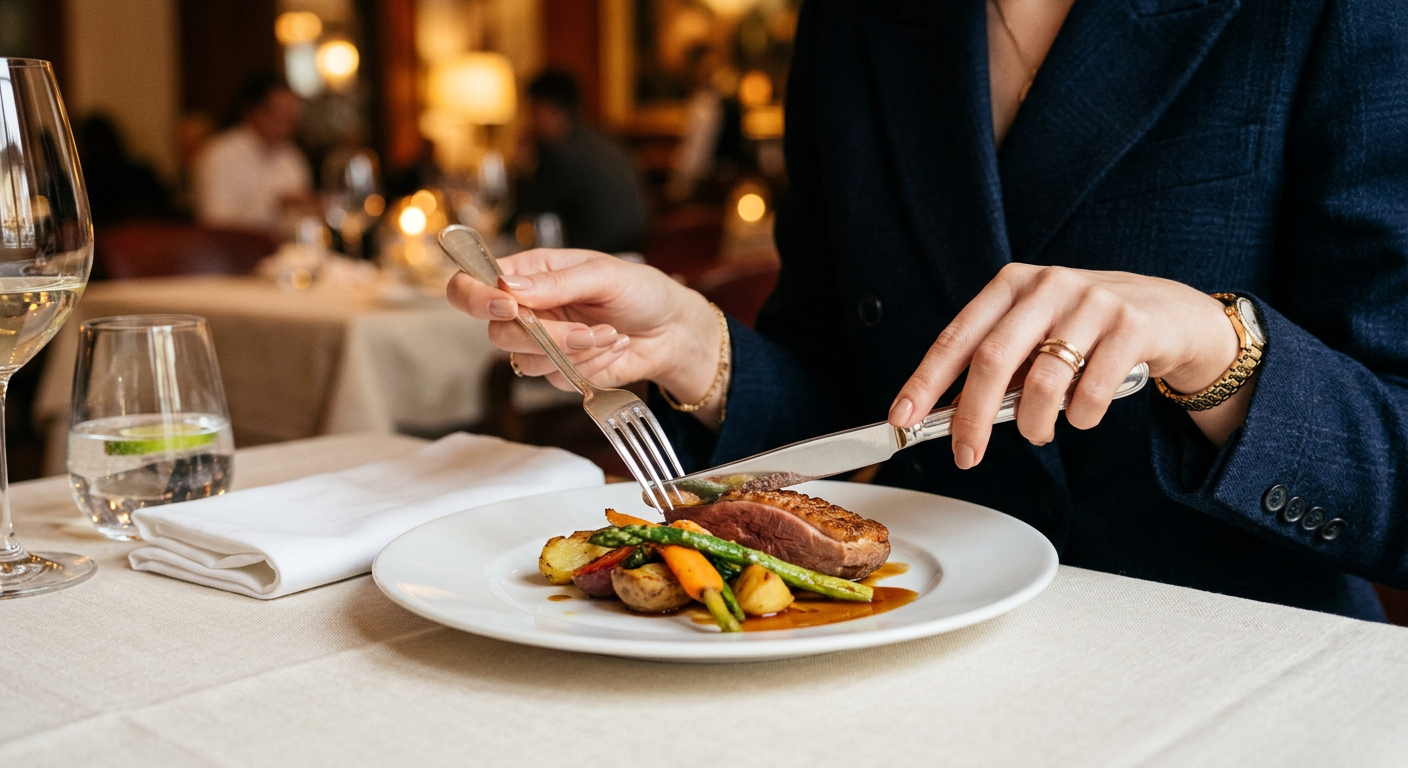
Find your bread, your glasses and your cutlery at a glance. The outside-in rule, the dessert cutlery above the plate, and what each plate on the table is for.
04Cutlery
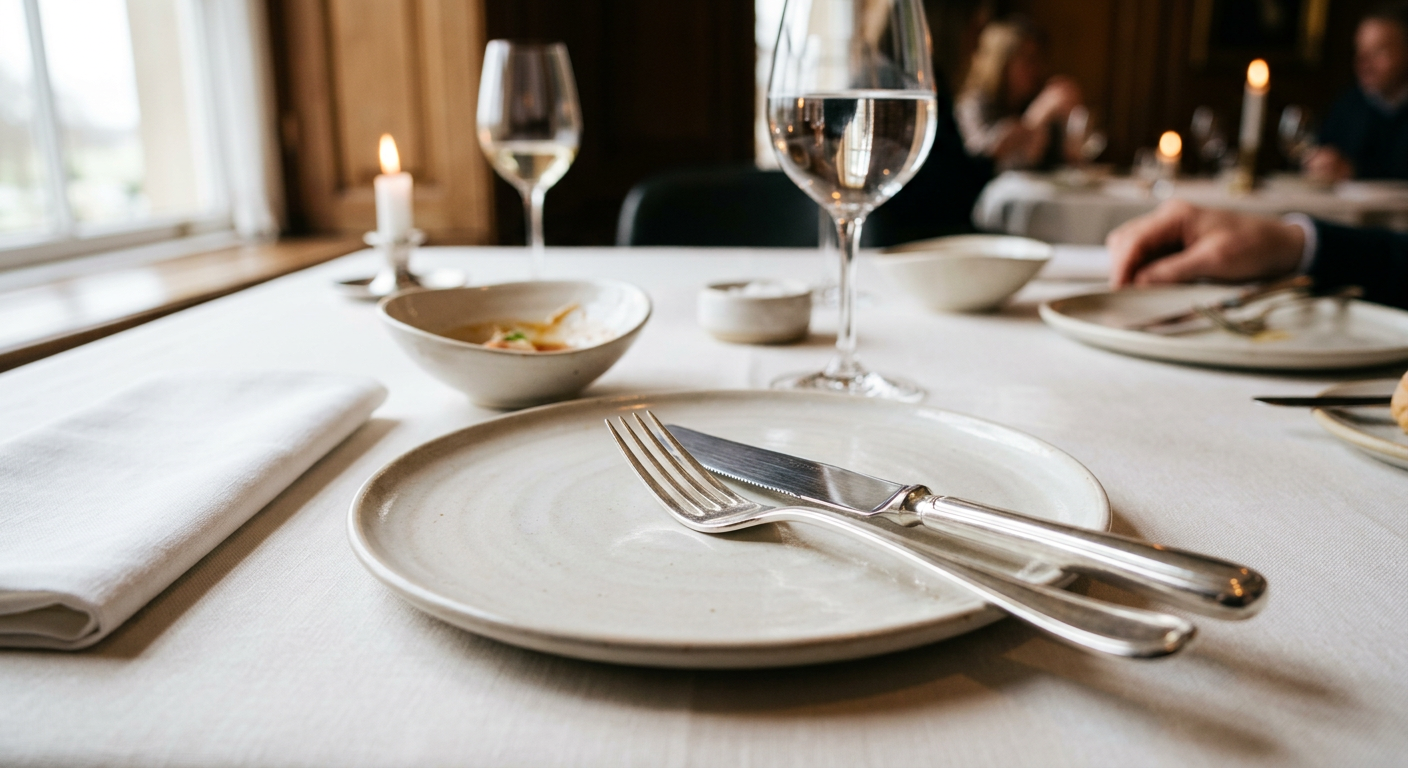
How to hold the knife, the fork and the spoon, and the silent language of cutlery: resting or finished. The special ones, from oysters to cheese, and the mistakes everyone notices.
05Glasses, napkin and accessories
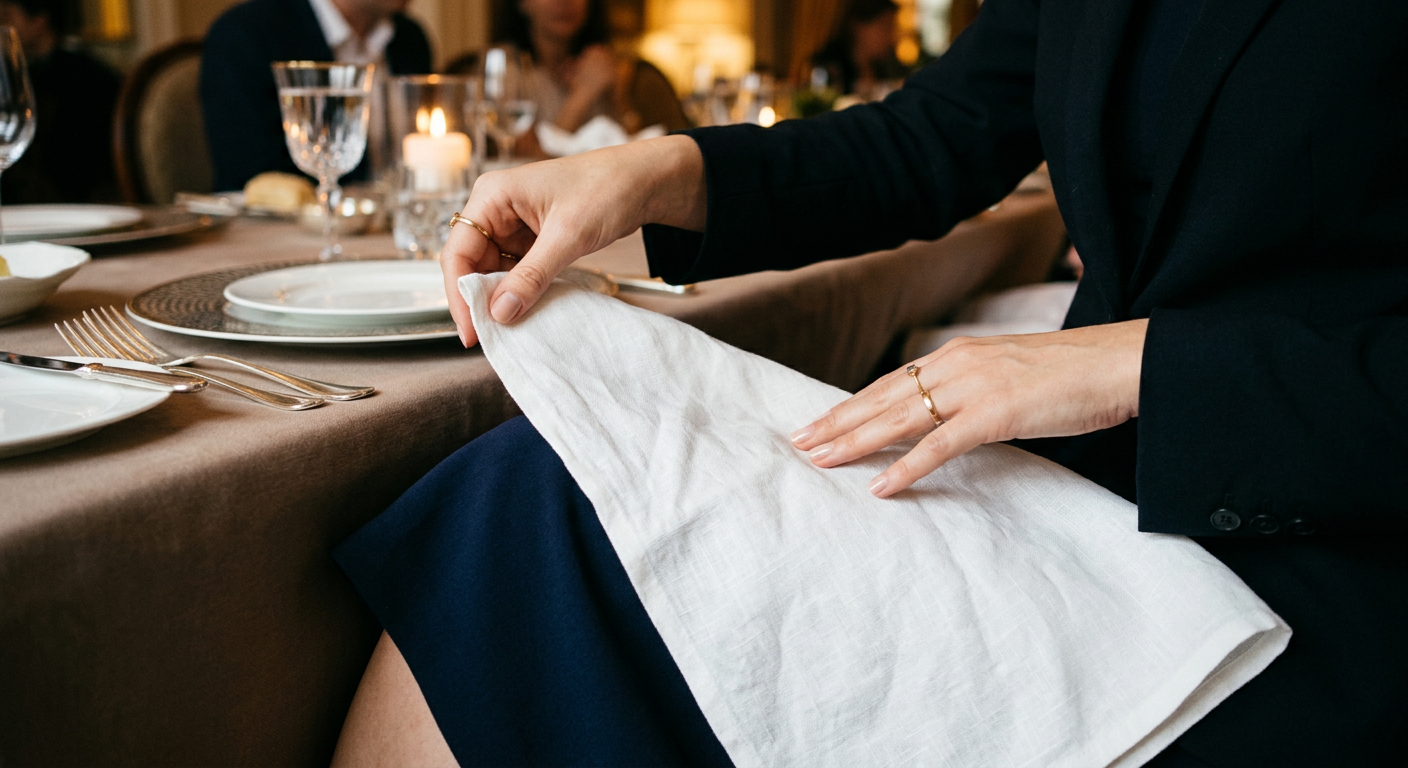
Hold a stemmed glass, a water glass, a flute. Being served, declining a wine, toasting or not, and the napkin: when to unfold it, how to use it, where it goes when you leave.
06The art of eating
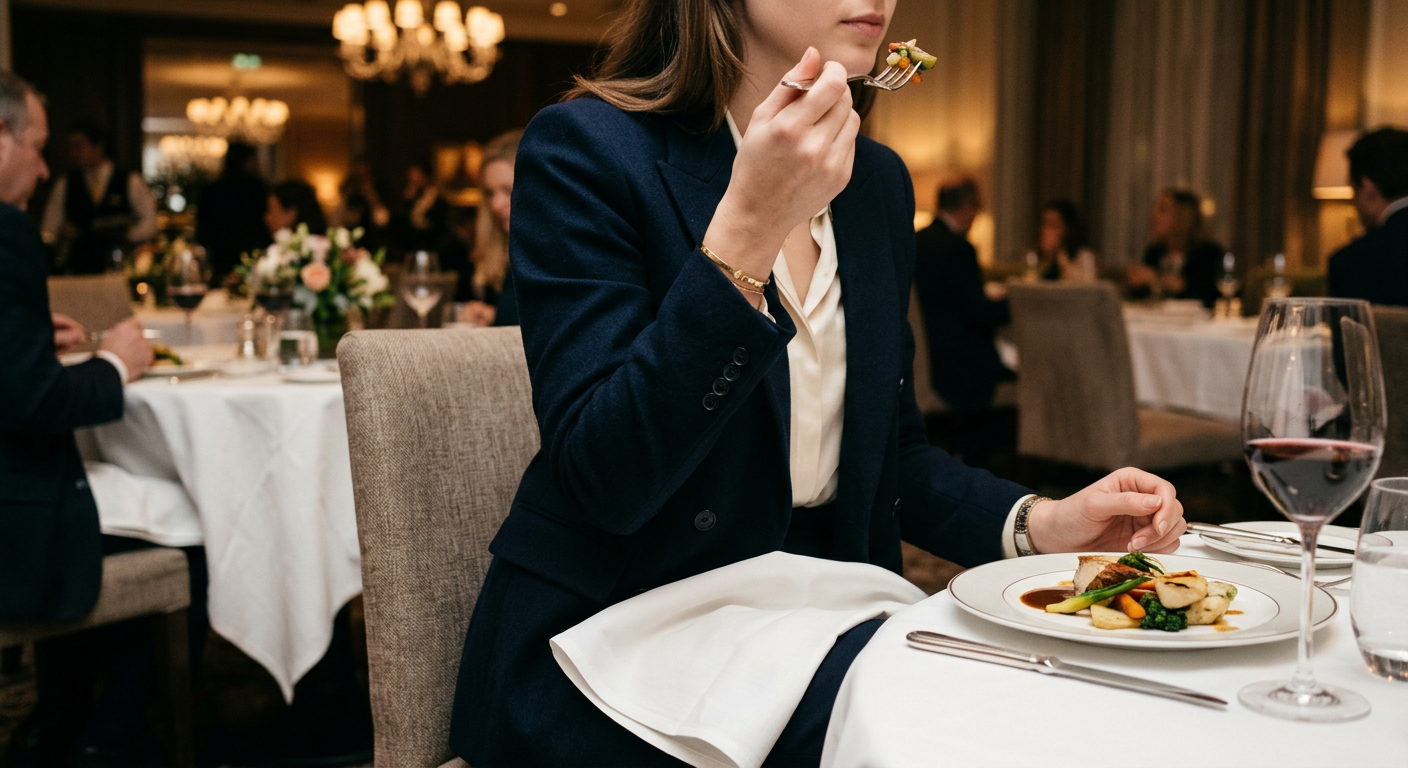
The rhythm of the meal and the size of each bite. Bread is broken, never cut. And what to do with oysters, asparagus, pasta, a fish bone or a fruit stone.
07Ordering with ease
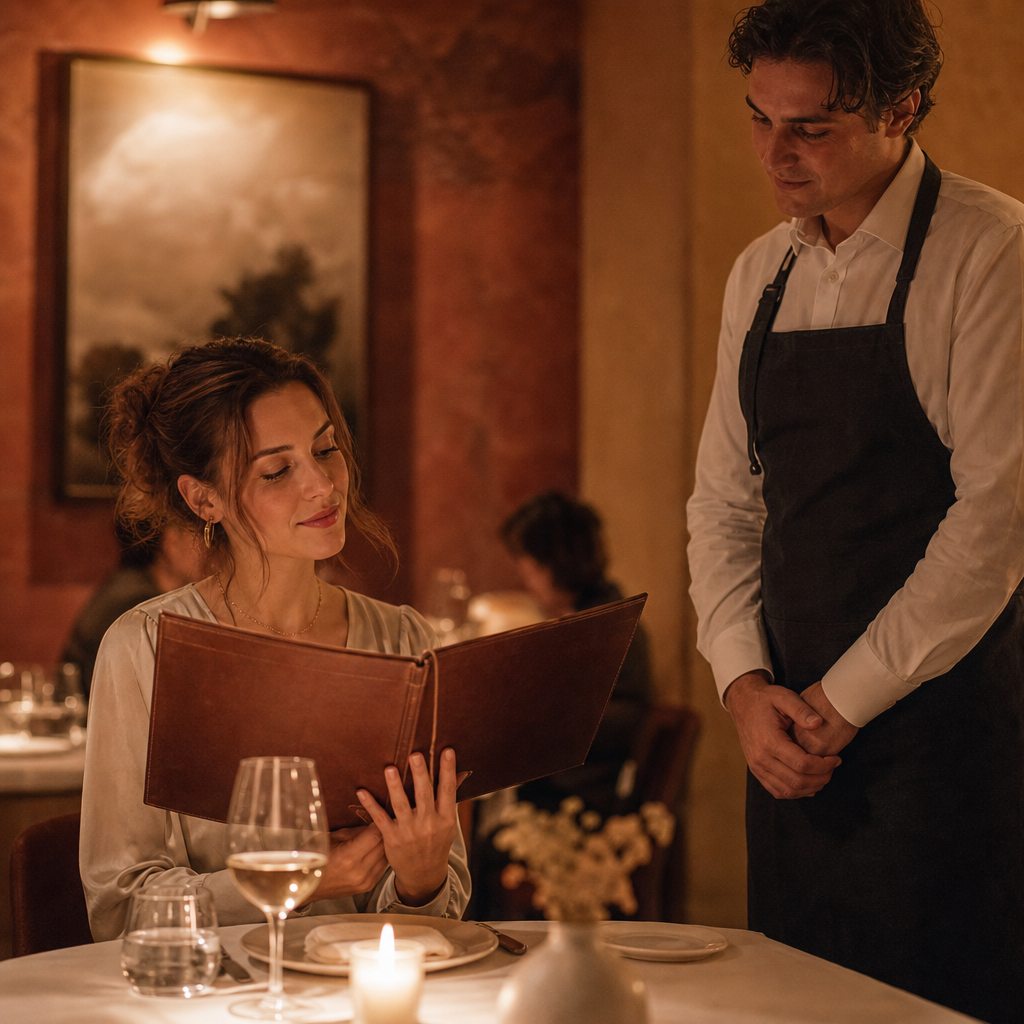
Read a menu and understand its terms. Speak with the waiter and the sommelier, follow the tasting ritual, and order for a whole table without a second of doubt.
08From the aperitif to the main course
Which aperitif goes with which starter, and the principle behind every pairing: match, contrast, intensity, region. A full table of pairings, and the moment champagne belongs.
09Dessert, digestif and coffee
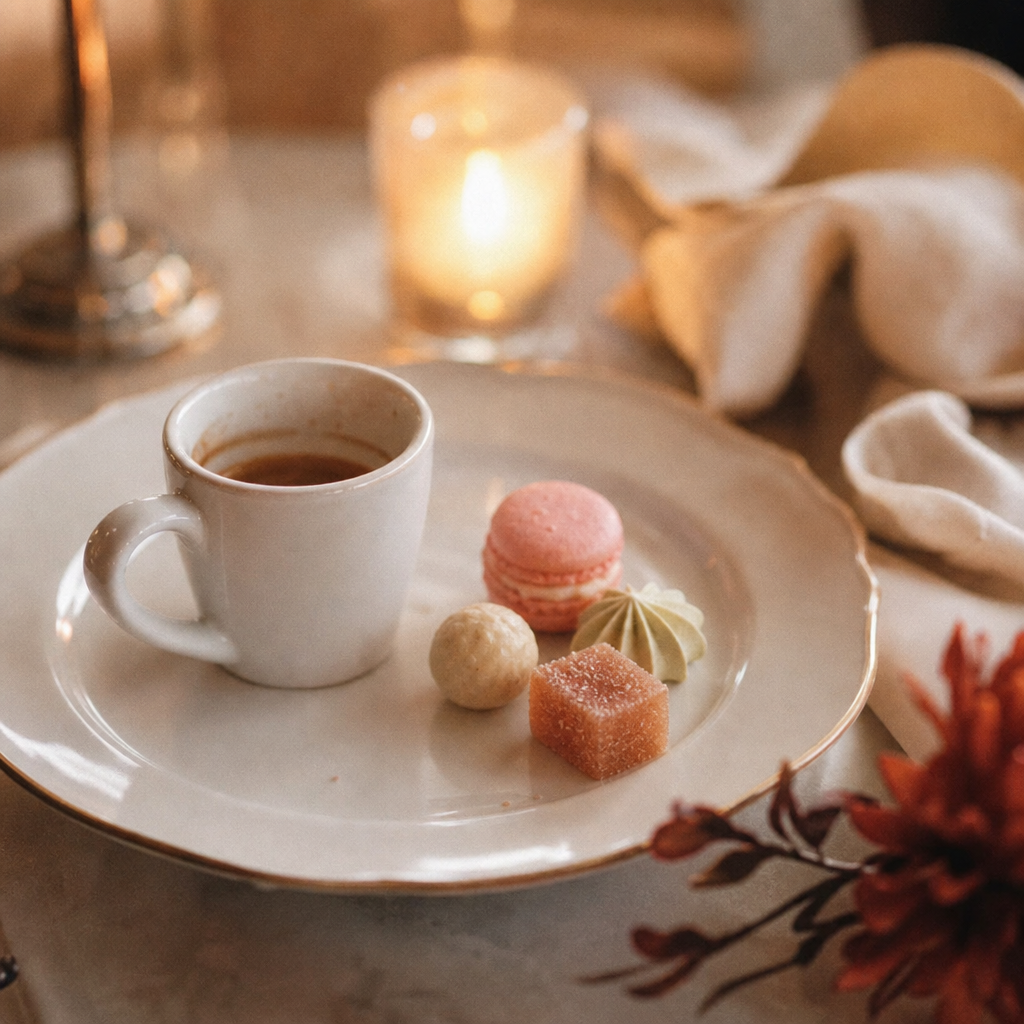
Sweet wine with dessert, the digestif that follows it, and the mignardises that close the meal. And yes, you can order a coffee without making the whole table wait.
10Savoir-vivre and the end of the meal
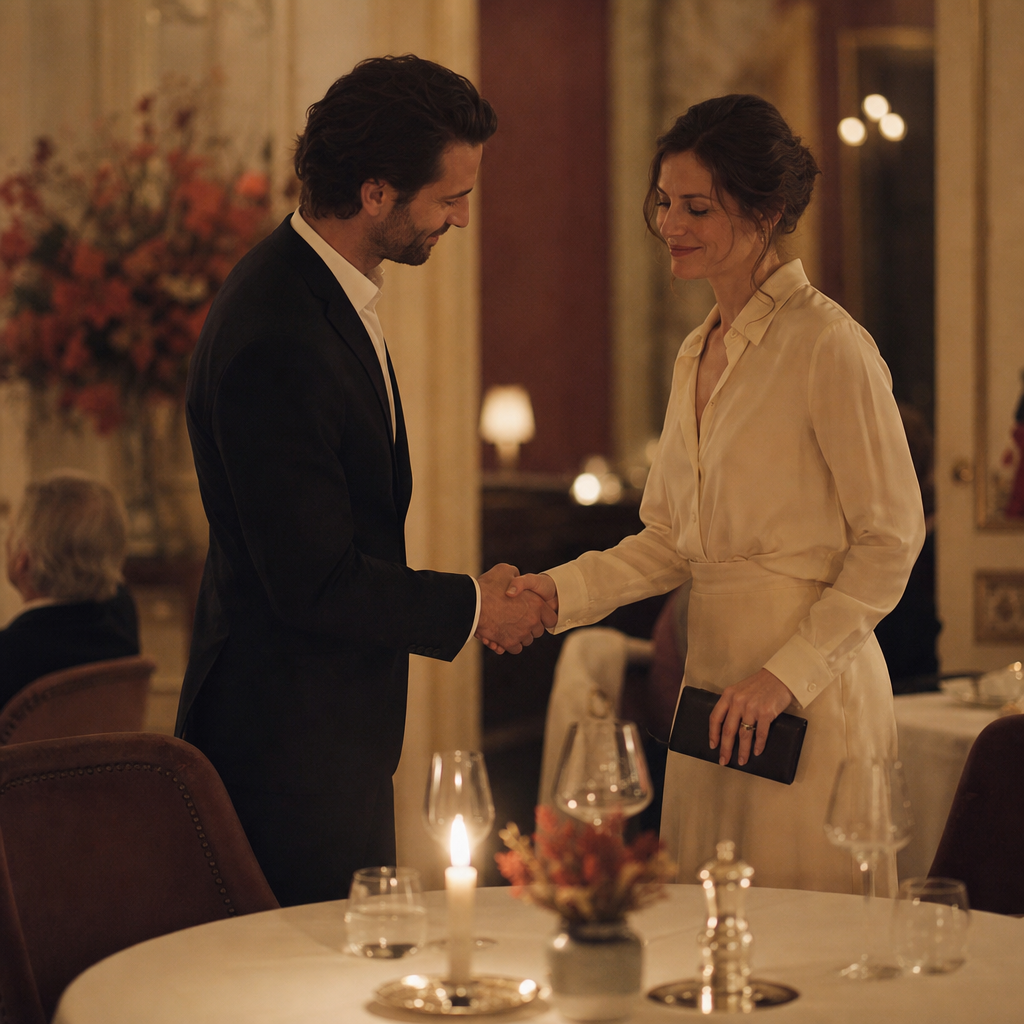
Conversation that flows, and the subjects to leave aside. How to call a waiter, who pays and how to ask for the bill, tipping by country, and taking your leave with elegance.
Then, the commented dinner and Certificate
Pass each Chapter Quiz at 4/5, then the final Quiz at 16/20 to earn your personalised Certificate.
04 · The Maison Manners spirit
Think less about the rules.Enjoy the company more.
05 · Your place at the table
The complete Course.For every dinner to come.
- Ten illustrated chapters to read at your own pace
- A Quiz per Chapter, with explained answers
- The commented dinner and its final Quiz
- Saved progress and your completion Certificate
The Course is currently available in French. The Table Test and guides are available in English and French.
Get the CourseIf the Course is not for you, write to us within 14 days for a full refund.
Secure payment through Stripe. NanoCorp is the merchant of record.
Certificat
Votre nom
a suivi avec succès la formation Maison Manners : l’élégance à table, du bistrot à la table étoilée.
Completion date · Final Score
Your Certificate code
Illustrative preview of the French completion Certificate. Your name, date, Score and unique code appear after you pass.
Maison Manners completion Certificate, not presented as an accredited qualification.